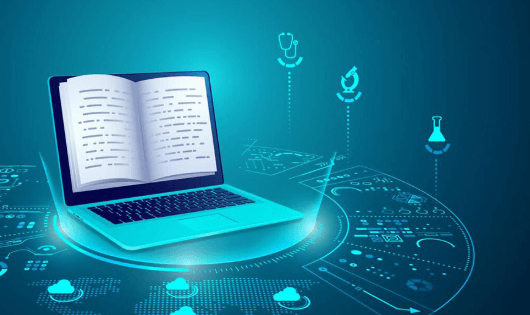
Education is undergoing one of the most significant transformations in history. Rapid technological advancement is reshaping how students learn, how teachers teach, and how institutions deliver knowledge. From artificial intelligence to immersive virtual classrooms, education technology (EdTech) is no longer a supplementary tool — it is becoming the foundation of modern learning systems.
Platforms such as educationbeingcom.com highlight this shift by providing accessible, practical insights into emerging educational trends, digital learning strategies, and skill development resources. As the world continues to digitize, understanding the future of education technology is essential for students, educators, and professionals alike.
The Rise of Digital Learning Ecosystems
Traditional classrooms are evolving into hybrid and fully online ecosystems. Learning management systems (LMS), cloud-based collaboration tools, and remote instruction platforms have created flexible learning environments that transcend geographical boundaries.
The future points toward even more personalized and adaptive learning systems. Artificial intelligence will analyze student performance data in real time, identifying weaknesses and automatically adjusting lesson plans. Instead of a one-size-fits-all curriculum, students will experience tailored educational journeys based on their learning speed, preferences, and goals.
Websites like educationbeingcom.com play a critical role in preparing learners for this digital transformation by offering guidance on effective online study methods, productivity techniques, and digital skill development.
Artificial Intelligence and Smart Learning
Artificial intelligence (AI) is rapidly becoming central to education technology. AI-driven tutors, automated grading systems, and intelligent content recommendations are already being integrated into classrooms.
In the near future, AI will:
Provide instant feedback on assignments
Detect learning gaps early
Recommend personalized study materials
Offer conversational tutoring experiences
This level of personalization enhances student engagement and reduces dropout rates. However, it also requires learners to adapt to new tools and digital literacy standards. Educational resources that explain these technological shifts in clear, accessible language — such as those found on educationbeingcom.com — help users stay informed and competitive.
See also: The Future Of Corporate Learning With An AI Keynote Speaker
Virtual Reality and Immersive Learning
Another powerful innovation shaping the future is Virtual Reality (VR) and Augmented Reality (AR). Instead of reading about historical events or scientific experiments, students can experience them in immersive environments.
Imagine:
Exploring ancient civilizations through 3D simulations
Conducting virtual science experiments safely
Practicing medical procedures in realistic digital labs
Immersive learning increases retention and engagement by transforming abstract concepts into experiential knowledge. As these technologies become more affordable, they will likely become standard in both schools and professional training programs.
Microlearning and Skill-Based Education
The job market is evolving faster than traditional degree programs can adapt. As a result, microlearning and skill-based certifications are becoming more popular.
Rather than committing to multi-year degrees, learners are increasingly pursuing:
Short-term online certifications
Industry-specific digital courses
Modular learning programs
This shift reflects a broader transition from credential-based hiring to skill-based hiring. Employers now prioritize demonstrable competencies over formal degrees.
Educational platforms like educationbeingcom.com emphasize continuous learning and career development strategies, aligning with this trend toward lifelong education and adaptability.
Data-Driven Decision Making in Education
Big data is transforming how institutions measure success and optimize performance. By analyzing attendance, assessment results, engagement metrics, and behavioral patterns, schools and universities can improve teaching strategies and student outcomes.
Predictive analytics can identify at-risk students early, enabling timely intervention. For educators, data dashboards provide actionable insights into classroom performance trends.
However, the growing reliance on data also raises concerns about privacy and cybersecurity. Institutions must implement secure systems to protect sensitive student information. As education becomes increasingly digital, cybersecurity awareness becomes essential — especially for learners engaging in online platforms.
Global Accessibility and Inclusivity
One of the most promising aspects of education technology is its potential to democratize knowledge. Students in remote areas can access high-quality courses, global instructors, and world-class materials through internet connectivity.
Mobile-first learning platforms allow students in developing regions to participate in digital classrooms without expensive infrastructure. This reduces educational inequality and expands opportunities worldwide.
Educational information hubs such as educationbeingcom.com contribute to this accessibility by offering structured guidance that is easy to understand and applicable across different academic levels.
Challenges Ahead
Despite its promise, the future of education technology is not without obstacles. Key challenges include:
Digital divide between urban and rural communities
Over-reliance on automation
Data privacy concerns
Need for teacher training in new technologies
Successful integration of EdTech requires strategic planning, teacher development, and policy alignment. Technology should enhance — not replace — the human elements of mentorship, critical thinking, and creativity.
The Role of Lifelong Learning
Perhaps the most important shift in modern education is the concept of lifelong learning. Technological change is constant, meaning skills quickly become outdated. Professionals must continuously update their knowledge to remain relevant.
The future education model will emphasize adaptability, critical thinking, and digital fluency over rote memorization. Platforms that provide career insights, productivity techniques, and skill enhancement resources — including educationbeingcom.com — support individuals in navigating this evolving landscape.
Conclusion
The future of education technology is dynamic, data-driven, and deeply personalized. Artificial intelligence, immersive environments, microlearning models, and global accessibility are redefining how knowledge is delivered and consumed.
Education is no longer confined to physical classrooms or fixed timelines. It is becoming a flexible, lifelong journey powered by innovation. Those who understand and leverage these technological advancements will be best positioned to thrive in the evolving global knowledge economy.