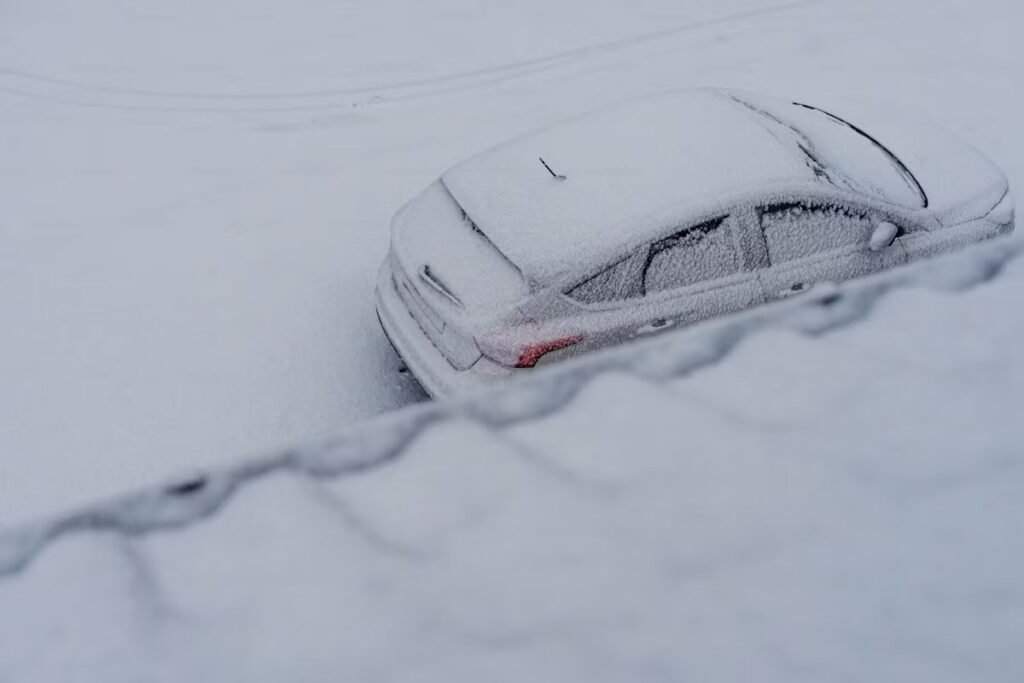
Being stranded on a highway during heavy snowfall is a frightening and potentially dangerous situation, especially when visibility is low and temperatures are freezing. Snowstorms can immobilise vehicles within minutes due to slippery roads, engine failure, or accidents. Knowing how to respond calmly and correctly can protect your safety while you wait for assistance.
Whether you are an experienced driver or not, following the right steps can significantly reduce risks until help arrives.
1. Stay Inside Your Vehicle and Make Yourself Visible
If your vehicle becomes stuck in snow, the safest place to stay is usually inside your car. Exiting the vehicle during a snowstorm can expose you to hypothermia and reduce visibility for passing drivers. Turn on your hazard lights to make your car noticeable and keep your seatbelt fastened.
If safe to do so, raise the hood slightly to signal distress. Remaining visible helps emergency responders and roadside assistance locate you faster.
2. Conserve Fuel and Maintain Body Heat
Managing fuel wisely is critical when stranded in cold conditions. Run the engine for short intervals to keep warm rather than continuously, as fuel may be limited. Ensure the exhaust pipe is clear of snow to prevent carbon monoxide buildup.
Use blankets, spare clothing, or floor mats to insulate your body and retain heat. Small steps like closing unused vents and staying dry can make a big difference while waiting for help.
3. Contact Tow Truck Services for Immediate Assistance
As soon as you realise you cannot safely move your vehicle, contact professional tow truck services. These services are trained to operate in harsh winter conditions and can assist with vehicle recovery, jump-starts, or transport to a safer location.
When calling, provide accurate details about your location, road conditions, and vehicle type. Reliable tow truck services play a vital role in reducing the time you remain stranded and exposed to extreme weather.
See also: The Best AI Keynote Speakers Bringing Complex Tech To Life
4. Avoid Unnecessary Towing Attempts Without Professional Help
Improper towing attempts by untrained individuals can be dangerous, especially on icy highways. Trying to tow a vehicle using personal equipment or accepting help from unqualified drivers may cause accidents, vehicle damage, or injury.
Professional towing operators use specialised equipment and follow safety protocols to recover vehicles without causing further harm. Waiting for trained professionals ensures both your safety and the protection of your vehicle during recovery.
5. Prepare an Emergency Winter Kit for Future Situations
Being prepared can make a major difference if you are stranded again. Keep an emergency winter kit in your vehicle that includes blankets, gloves, a flashlight, non-perishable snacks, water, a phone charger, and a reflective warning triangle.
Snow chains, a shovel, and traction aids can also help in mild situations. Preparation reduces panic and helps you remain calm and protected during unexpected winter emergencies.
Conclusion
Getting stranded in snow on a highway is a serious situation, but staying calm and following the right steps can keep you safe. Remaining visible, conserving heat, contacting tow truck services, avoiding unsafe towing, and preparing for future emergencies all play a crucial role in managing such situations effectively. With proper awareness and preparation, drivers can protect themselves and handle winter roadside emergencies with greater confidence and safety.